
Featured Article
Compliance
Fair Housing Compliance for Real Estate Voice AI: Protecting Your Business and Your Clients
The Fair Housing Act (FHA) is a cornerstone of equal opportunity in housing, and its principles must be upheld in every aspect of the real estate industry, including the use of AI voice agents. Non-compliance can lead to severe consequences, including substantial fines (upwards of $100,000), costly lawsuits, and even the revocation of real estate licenses. This blog post will guide you through the critical elements of Fair Housing compliance when implementing AI voice agents in your real estate business.
Understanding the Fair Housing Act
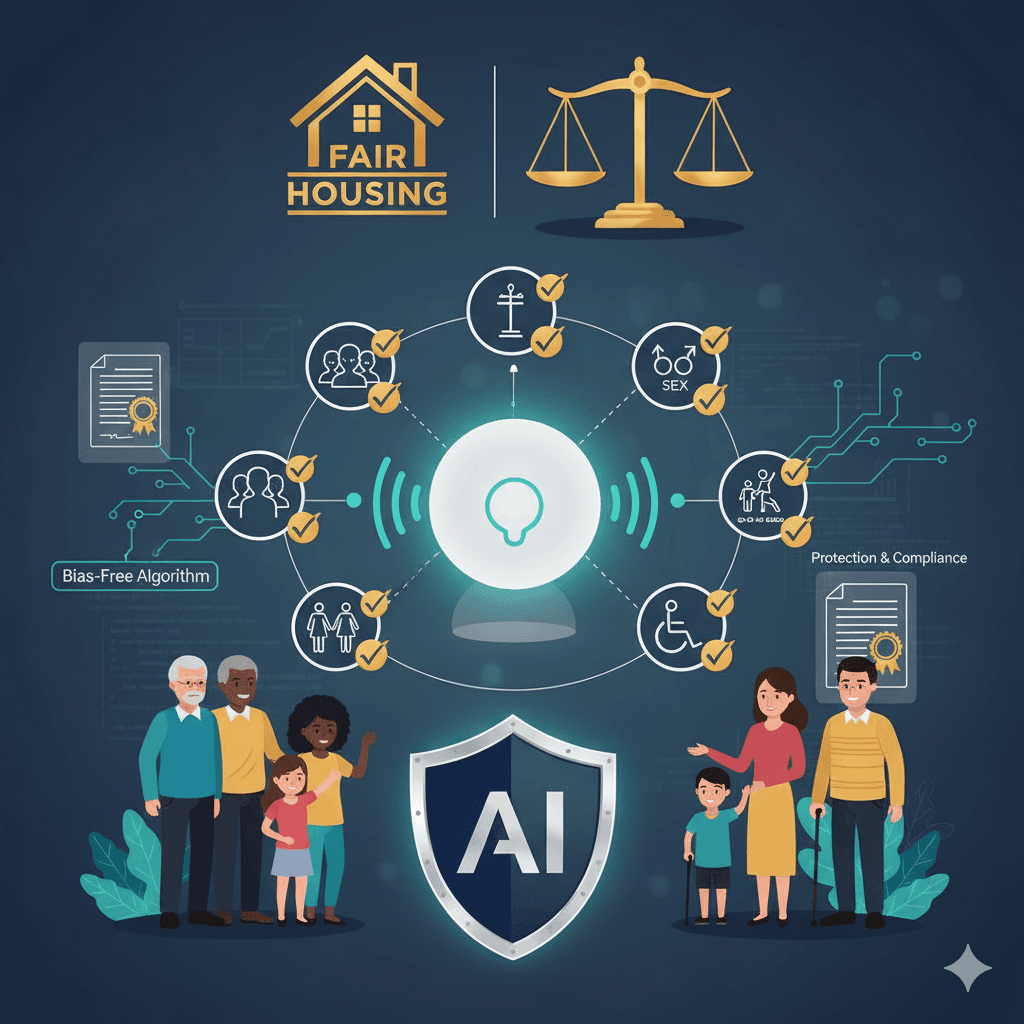
The Fair Housing Act prohibits discrimination in housing based on seven protected classes:
Race
Color
National Origin
Religion
Sex (including gender identity and sexual orientation)
Familial Status (presence of children under 18)
Disability
The Act covers a wide range of discriminatory practices, including refusing to rent or sell housing, setting different terms or conditions, and making discriminatory statements or advertisements. When AI voice agents interact with potential clients, these principles must be rigorously applied.
Specific Compliance Requirements for Voice AI
Here’s how to ensure your voice AI adheres to Fair Housing principles:
Non-Discriminatory Language: The AI should avoid asking questions or making statements that directly or indirectly reveal information about a prospect’s protected class. Use standardized, unbiased language in all conversations.
Equal Treatment: Ensure all callers receive the same level of service, access to property information, and scheduling opportunities, regardless of their background.
Reasonable Accommodations: Design conversation flows that are accessible to individuals with disabilities. Offer TTY/relay service support and alternative communication methods when needed.
Complete Documentation: Maintain thorough records of all interactions, including call recordings, transcripts, and logs, to create an audit trail for demonstrating compliance.
Programming Compliant Voice AI
Implementing compliant voice AI requires a proactive approach to development and maintenance:
Training Data Review: Carefully review and cleanse training data to eliminate any biased or discriminatory language.
Conversation Script Auditing: Regularly audit conversation scripts for potentially discriminatory phrases or questions.
Prohibited Topic Blocking: Implement safeguards to prevent the AI from engaging in conversations about protected classes.
Neutral Response Design: Design responses that are objective, factual, and free from personal opinions or biases.
Regular Compliance Testing: Continuously test the AI's performance to identify and address any potential compliance issues.
Testing Methodologies for Fair Housing Compliance
Thorough testing is crucial for identifying and mitigating potential biases:
Paired Testing: Use individuals with different demographic profiles to interact with the AI and assess whether they receive equal treatment.
Script Reviews: Have fair housing attorneys review conversation scripts to ensure compliance with relevant laws and regulations.
Bias Detection Algorithms: Utilize algorithms to identify and flag potential biases in the AI's responses.
Third-Party Audits: Engage independent experts to conduct periodic audits of the AI's performance.
Documentation: Your Shield Against Liability
Maintain detailed records to demonstrate your commitment to Fair Housing:
Call Recordings Retention: Retain call recordings for a minimum of 3-5 years.
Transcript Storage: Store transcripts of all conversations for easy review.
Decision Rationale Logging: Document the rationale behind any decisions made by the AI, such as property recommendations.
Complaint Tracking: Establish a system for tracking and resolving any complaints related to Fair Housing compliance.
Common Compliance Risks and How to Avoid Them
Be aware of these common pitfalls and take steps to prevent them:
Steering: Avoid directing people to specific neighborhoods based on their protected class.
Discriminatory Screening: Ensure that qualification criteria are applied consistently to all applicants.
Unequal Service Levels: Provide the same level of service to all callers, regardless of their background.
Advertising Statement Compliance: Ensure that all advertising statements made by the AI are accurate and non-discriminatory.
Training and Monitoring for Continuous Improvement
Compliance is an ongoing process that requires both AI and human oversight:
AI Training: Regularly update the AI's training data and algorithms to reflect changes in Fair Housing laws and best practices.
Human Supervisor Training: Provide comprehensive training to human supervisors on Fair Housing principles and how to monitor the AI's performance.
Regular Script Reviews: Regularly review conversation scripts to identify and address any potential compliance issues.
Conversation Audits: Conduct periodic audits of the AI's conversations to ensure compliance.
Complaint Investigation Procedures: Establish clear procedures for investigating and resolving any complaints related to Fair Housing compliance.
Corrective Action Processes: Implement corrective action processes to address any identified compliance issues.
Compliance Checklist and Best Practices
Here's a checklist to help you stay on track:
Review and update training data regularly to remove biases.
Audit conversation scripts for discriminatory language.
Block prohibited topics related to protected classes.
Design neutral and factual AI responses.
Conduct paired testing with diverse demographics.
Engage fair housing attorneys for script reviews.
Use bias detection algorithms.
Retain call recordings and transcripts.
Train human supervisors on Fair Housing.
Establish complaint investigation procedures.
The Business Case for Proactive Compliance
Investing in Fair Housing compliance is not just a legal obligation, it's a smart business decision. Proactive compliance helps to mitigate risk, protect your brand reputation, and build trust with all of your clients, fostering a more inclusive and equitable housing market.
About ConversAI Labs Team
ConversAI Labs specializes in AI voice agents for customer-facing businesses.